
Buying Tips
Buying a Home with a Garden: What to Look For
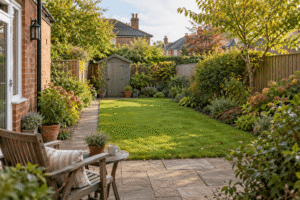
The best garden for you is about more than size. Take a closer look at light, privacy, access and maintenance before choosing your next home.

The best garden for you is about more than size. Take a closer look at light, privacy, access and maintenance before choosing your next home.
The best garden for you is about more than size. Take a closer look at light, privacy, access and maintenance before choosing your next home.

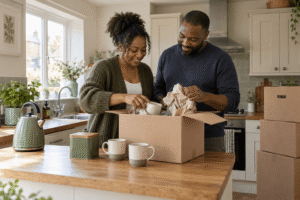
From clearly labelled boxes to that all-important kettle, a little preparation can make your first day in a new home feel much more manageable.
The best garden for you is about more than size. Take a closer look at light, privacy, access and maintenance before choosing your next home.
From clearly labelled boxes to that all-important kettle, a little preparation can make your first day in a new home feel much more manageable.
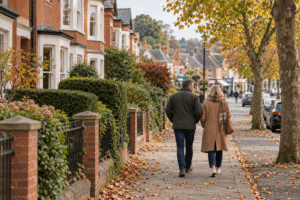
Finding the right home means looking beyond its front door. Take time to explore the neighbourhood and see how it fits your everyday routine.
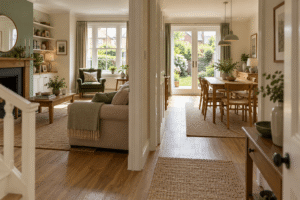
Bedroom numbers only tell part of the story. A practical layout can make all the difference to how a home feels and functions.
Downsizing involves more than choosing a smaller property. Here is how to keep the things that matter and find a home that suits your next chapter.

First impressions matter when selling a home. Viewings are often short, and buyers form opinions quickly. Preparing your property properly helps ensure those first few minutes work in your favour.
Start by decluttering and depersonalising. Buyers need to imagine themselves living in the space, which can be difficult if rooms feel crowded or overly personal. Clearing worktops, shelves, and floors creates a sense of space and allows the property’s layout to speak for itself. Neutral, tidy rooms photograph better and feel more inviting in person.

Accepting an offer is a major milestone, but it isn’t the finish line. It’s the point where the legal and practical work begins. Understanding what happens next helps reduce uncertainty and keeps the process moving smoothly.
Once an offer is accepted, the property is usually marked as Sold Subject to Contract. This means both parties intend to proceed, but the sale is not yet legally binding. At this stage, the buyer will typically instruct a solicitor or conveyancer, if they haven’t already done so, and arrange for surveys to be carried out.

Selling a home is as much about judgement as it is about timing. The decisions made early in the process often shape the final outcome, yet many sellers fall into avoidable traps that can delay a sale or reduce its value.
One of the most common mistakes is overpricing. It’s natural to want to achieve the highest possible figure, but pricing a property above market value can do more harm than good. Overpriced homes tend to sit on the market longer, attract fewer viewings, and may eventually require price reductions that weaken negotiating power. A realistic, well-researched valuation attracts serious buyers from day one and creates momentum.

Buying a home is one of the biggest financial decisions most people will ever make. It’s exciting, but it’s also a process where small mistakes can become expensive ones. The good news is that most common pitfalls are avoidable with the right preparation and advice.
The best garden for you is about more than size. Take a closer look at light, privacy, access and maintenance before choosing your next home.
From clearly labelled boxes to that all-important kettle, a little preparation can make your first day in a new home feel much more manageable.
Finding the right home means looking beyond its front door. Take time to explore the neighbourhood and see how it fits your everyday routine.
Bedroom numbers only tell part of the story. A practical layout can make all the difference to how a home feels and functions.
Downsizing involves more than choosing a smaller property. Here is how to keep the things that matter and find a home that suits your next chapter.
First impressions matter when selling a home. Viewings are often short, and buyers form opinions quickly. Preparing your property properly helps ensure those first few minutes work in your favour.
Start by decluttering and depersonalising. Buyers need to imagine themselves living in the space, which can be difficult if rooms feel crowded or overly personal. Clearing worktops, shelves, and floors creates a sense of space and allows the property’s layout to speak for itself. Neutral, tidy rooms photograph better and feel more inviting in person.
Accepting an offer is a major milestone, but it isn’t the finish line. It’s the point where the legal and practical work begins. Understanding what happens next helps reduce uncertainty and keeps the process moving smoothly.
Once an offer is accepted, the property is usually marked as Sold Subject to Contract. This means both parties intend to proceed, but the sale is not yet legally binding. At this stage, the buyer will typically instruct a solicitor or conveyancer, if they haven’t already done so, and arrange for surveys to be carried out.
Selling a home is as much about judgement as it is about timing. The decisions made early in the process often shape the final outcome, yet many sellers fall into avoidable traps that can delay a sale or reduce its value.
One of the most common mistakes is overpricing. It’s natural to want to achieve the highest possible figure, but pricing a property above market value can do more harm than good. Overpriced homes tend to sit on the market longer, attract fewer viewings, and may eventually require price reductions that weaken negotiating power. A realistic, well-researched valuation attracts serious buyers from day one and creates momentum.
Buying a home is one of the biggest financial decisions most people will ever make. It’s exciting, but it’s also a process where small mistakes can become expensive ones. The good news is that most common pitfalls are avoidable with the right preparation and advice.